
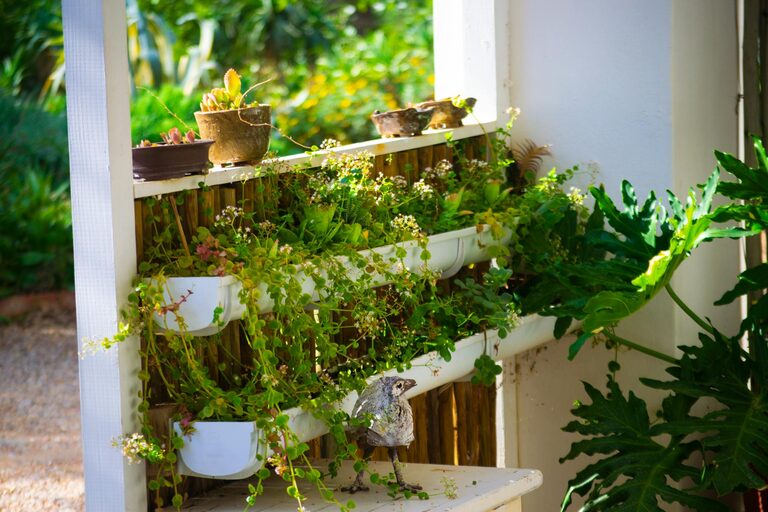
Creating a sustainable home garden is a rewarding way to connect with nature while reducing your environmental impact. One of the best ways to achieve this is by incorporating native plants into your garden design. Native plants are species that naturally occur in your region and are well-adapted to the local climate, soil, and wildlife. This not only makes them easier to grow but also benefits local ecosystems. In this guide, we’ll explore practical tips to help you build a beautiful, sustainable garden using native plants.
Why Choose Native Plants?
Native plants offer many advantages over exotic species or commonly sold garden plants:
– Adapted to local conditions: They require less water, fertiliser, and care because they are suited to your area’s climate and soil.
– Support for wildlife: Native plants provide food and shelter for local bees, butterflies, birds, and other wildlife.
– Promote biodiversity: By planting natives, you contribute to maintaining the balance of your regional ecosystem.
– Resilience: They tend to be more resistant to pests and diseases common in your area.
– Low maintenance: Reduced need for watering, pruning, and pesticides saves time and resources.
Getting Started: Planning Your Native Garden
1. Research Local Native Plants
Start by identifying native species suitable for your garden space. Local botanical gardens, conservation groups, or online databases can provide lists of native plants for your region. Pay attention to plants that thrive in your soil type and microclimate.
2. Assess Your Garden Site
Understand the conditions of your garden: how much sunlight does it get? Is the soil sandy, clay, or loamy? What is the drainage like? Identifying shady spots, slopes, and exposed areas helps in choosing the right plants for each location.
3. Set Your Goals
Decide what you want from your garden. Do you want a pollinator-friendly space? A low-water garden? Or one that attracts birds? This focus guides your plant selection and layout.
Selecting Native Plants for Your Garden
1. Include a Variety of Plant Types
Incorporate a mix of:
– Trees: Provide shade, habitat, and structure.
– Shrubs: Offer food and shelter at lower heights.
– Perennials and wildflowers: Support pollinators and add colour.
– Grasses and groundcovers: Reduce soil erosion and suppress weeds.
2. Consider Blooming Times
Select plants that flower at different times of the year to provide continuous resources for wildlife like bees and butterflies.
3. Choose Plants for Your Soil and Water Conditions
Some native plants prefer dry conditions, while others thrive in moist areas or poor soils. Matching plants to these conditions ensures their success and reduces water use.
4. Source Plants Responsibly
Look for native plants or seeds from reputable nurseries specialising in local flora. Avoid wild-harvesting to protect natural populations.
Designing Your Sustainable Native Garden
1. Group Plants According to Their Needs
Plant species with similar water and sunlight requirements together. This grouping conserves resources and simplifies care.
2. Create Layers for Wildlife
Design your garden with layers—tall trees, mid-height shrubs, and ground covers—to provide a variety of habitats.
3. Incorporate Natural Elements
Add logs, stones, or ponds to mimic natural ecosystems, providing shelter and water sources for creatures.
4. Minimise Lawn Area
Replace traditional grass lawns with native ground covers or wildflowers to reduce mowing and increase biodiversity.
Maintaining Your Native Garden Sustainably
1. Water Wisely
New plants need watering until they are established, but native plants generally require less water. Use drip irrigation or water early in the morning to reduce evaporation.
2. Mulch
Apply organic mulch around plants to retain moisture, suppress weeds, and improve soil health.
3. Avoid Chemicals
Limit or avoid pesticides and herbicides that can harm beneficial insects and soil life.
4. Prune Thoughtfully
Prune only to remove dead or diseased branches, or to maintain shape. This allows plants to flower and produce seeds naturally.
5. Monitor and Adapt
Observe how your garden changes through seasons and years. Adjust plantings as needed to support the ecosystem and your gardening goals.
Encouraging Wildlife in Your Garden
Native plants are magnets for local wildlife, but you can enhance their appeal:
– Provide bird feeders and baths.
– Leave some leaf litter or dead wood to foster insects and shelter.
– Avoid disturbing nests or hibernation spots.
– Plant flowering natives that attract specific pollinators like bees and butterflies.
Conclusion
Creating a sustainable home garden with native plants is a fulfilling project that benefits both you and the environment. With thoughtful planning, selection, and maintenance, you can build a thriving garden that conserves water, supports wildlife, and adds natural beauty to your home. Whether you live in a city, suburb, or rural area, planting native plants is a simple yet powerful way to nurture the world right outside your door. Happy gardening!