
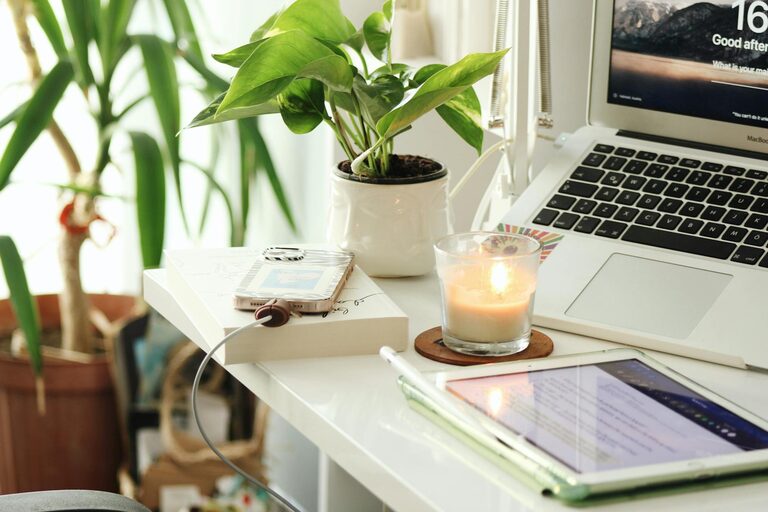
Creating a productive home office environment is essential for anyone working remotely or studying at home. A well-organised and comfortable space can improve focus, workflow, and overall job satisfaction. Whether you have a dedicated room or a small nook, making a few thoughtful adjustments can transform your workspace. Here are some practical tips to help you create a home office environment that supports productivity and well-being.
1. Choose the Right Location
Selecting the right spot in your home is the first step towards building a productive office space. Ideally, your workspace should be:
– Quiet and free from distractions.
– Well-lit with plenty of natural light.
– Close enough to essential home facilities but separate from regular high-traffic areas.
If you can, avoid working from your bedroom or sofa, as these areas might encourage relaxation rather than focus.
2. Invest in Ergonomic Furniture
Comfort is key for maintaining productivity during long working hours. An ergonomic setup helps prevent discomfort and health issues.
– Desk: Choose a desk with enough space for your computer, notebooks, and other essentials. Adjustable desks are ideal if you like to alternate between sitting and standing.
– Chair: Invest in a supportive office chair with adjustable height, lumbar support, and comfortable cushioning.
– Monitor Position: Position your screen at eye level to avoid neck strain. A monitor stand or adjustable arm can help.
3. Manage Lighting Wisely
Good lighting can reduce eye strain and improve mood and energy.
– Use a combination of natural and artificial light.
– Position your desk near a window for natural daylight.
– Add task lighting, such as a desk lamp with adjustable brightness.
– Avoid glare on screens by adjusting blinds or repositioning lights.
4. Declutter and Organise
A tidy workspace helps maintain focus and efficiency.
– Keep only essential items on your desk to avoid distractions.
– Use storage solutions like shelves, drawers, and filing cabinets.
– Label files and stationery for easy access.
– Consider cable organisers to keep cords neat and prevent tangling.
5. Personalise Your Space
Adding personal touches can make your home office more inviting and motivating.
– Add plants to improve air quality and bring a touch of nature indoors.
– Hang inspiring artwork or photos.
– Choose colours and decor that you find calming or energising.
– Keep a water bottle or mug nearby to stay hydrated.
6. Minimise Distractions
Distractions can severely impact productivity. Here are ways to create a distraction-free zone:
– Inform family members or housemates of your working hours.
– Use noise-cancelling headphones or background music if it helps concentration.
– Turn off non-essential notifications on your phone or computer.
– Use apps or browser extensions that block distracting websites during work sessions.
7. Optimise Technology and Connectivity
Reliable technology is vital for efficient remote work.
– Ensure your internet connection is strong and stable.
– Use ergonomic peripherals like an external keyboard and mouse if working on a laptop.
– Keep your devices updated to avoid technical glitches.
– Organise your digital workspace by organising files and clearing desktop clutter regularly.
8. Structure Your Day and Space for Breaks
Taking regular breaks boosts productivity and reduces fatigue.
– Use techniques like the Pomodoro method (e.g., 25 minutes work, 5 minutes break).
– Step away from your desk during breaks to stretch or walk.
– Designate a separate area, if possible, for breaks to mentally partition work and rest.
9. Maintain Good Air Quality and Temperature
Comfortable temperature and fresh air help maintain concentration and comfort.
– Open windows regularly to allow fresh air circulation.
– Use fans or heaters to regulate temperature as needed.
– Consider using an air purifier if your environment is prone to dust or pollutants.
10. Review and Adjust Your Setup Regularly
Your home office needs may change over time. Regularly review your workspace:
– Assess whether your setup is still meeting your needs.
– Update or change furniture and equipment if you experience discomfort.
– Experiment with layout adjustments to find what works best.
– Seek feedback from colleagues or productivity experts if needed.
—
Creating an effective home office environment does not require complicated or expensive changes. With deliberate choices focusing on comfort, organisation, and minimal distractions, you can establish a space that supports your professional and personal goals. Start with small improvements and build as you find what suits your working style best. Your ideal productive home office is within reach!