
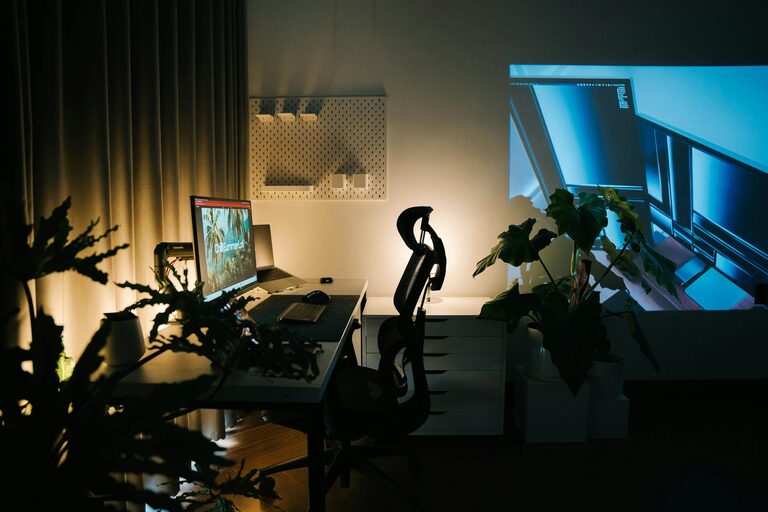
Creating a cosy and functional home office space can make a significant difference to your productivity and well-being, especially if you spend a lot of time working from home. A well-thought-out office space not only helps you stay focused but also makes your workday more enjoyable. This guide offers practical tips to help you design a workspace that combines comfort with efficiency, regardless of the size or style of your home.
Why a Good Home Office Matters
Working from home comes with unique challenges: distractions, limited space, and sometimes poor ergonomics. Setting up an inviting and well-organised office helps to separate work from leisure mentally and physically. It encourages better posture, mental focus, and a balanced approach to your daily routine.
Choosing the Right Location
Consider Natural Light
Where possible, position your desk near a source of natural light. Daylight can boost your mood and energy levels, reducing eye strain. If a window isn’t an option, choose a well-lit corner and supplement with good quality desk lamps or overhead lighting.
Minimise Distractions
Select a quieter spot in your home away from high-traffic areas. This might be a spare bedroom, a nook under the stairs, or a converted dining room corner. Use rugs, curtains or room dividers to visually separate the office area and absorb sound.
Prioritising Comfort and Ergonomics
Invest in a Supportive Chair
A good chair supports your back and encourages a healthy posture. Look for adjustable chairs with lumbar support and cushioned seating. If budget is tight, adding a supportive cushion can make a big difference.
Desk and Screen Height
Your desk should be at a comfortable height allowing your elbows to rest at roughly 90 degrees when typing. Position your computer screen so the top edge is at eye level or slightly below to reduce neck strain.
Add Soft Textiles
Incorporate cushions, throws, or a comfy rug to make the space feel warmer and more inviting. These elements add texture and softness, helping to create that cosy atmosphere.
Organising Your Workspace
Keep Essentials Handy
Keep frequently used items such as pens, notebooks, and chargers within easy reach. Drawer organisers and desktop trays can help keep these essentials tidy and accessible.
Declutter Regularly
A cluttered desk can distract and make working harder. Take five minutes at the end of each day to clear your workspace and file away documents.
Use Storage Wisely
Shelves, filing cabinets, or storage boxes can keep paperwork and supplies organised without taking up too much space. Vertical storage takes advantage of walls and keeps the floor clear.
Personalising Your Space
Add Plants
Indoor plants not only improve air quality but also bring life and a sense of calm to your workspace. Low-maintenance options like succulents or spider plants suit office environments well.
Display Personal Mementos
Photographs, artwork, or inspirational quotes can motivate you and make your office feel more like ‘your’ space. Keep it balanced to avoid visual clutter.
Choose a Colour Scheme
Soft, neutral tones promote focus and calm, while a splash of your favourite colour can add energy. Consider wall paint or accessories like cushions, curtains, or lampshades to create a cohesive look.
Maximising Technology and Connectivity
Reliable Internet Connection
A fast and stable internet connection is essential. Position your router nearby or use a wired connection if possible to avoid interruptions during video calls or downloads.
Cable Management
Use cable organisers, clips, or sleeves to keep cables neat and untangled. This not only improves safety but also makes your workspace tidier and easier to clean.
Efficient Lighting for Screens
To reduce glare and eye strain from screens, use adjustable task lighting and avoid positioning your screen directly opposite windows or bright lights.
Extra Tips for Small Spaces
Multi-Functional Furniture
Choose desks with built-in storage or fold-away designs that free up space when not in use. A compact desk combined with wall-mounted shelves can work wonders in small rooms.
Use Mirrors
Mirrors can create the illusion of space and reflect natural light, making your office feel larger and brighter.
Create Zones
If working in a shared room, use rugs, cushions, or plants to define your office area clearly. This helps with mental separation between work and relaxation.
Maintaining Your Home Office
Regular Cleaning
Dust and tidy regularly to maintain a pleasant working environment. Clean screens, keyboards, and desk surfaces to keep your space hygienic.
Schedule Breaks Away from Your Desk
A cosy office also means knowing when to step away. Take breaks to stretch, move around, or change scenery. This will help you stay energised and reduce fatigue.
—
Designing a home office that’s both functional and comfortable need not be a stressful or expensive task. By considering your needs and preferences, investing in comfort, and organising your space effectively, you can create a productive environment that feels cosy and inviting. Small changes often bring the biggest improvements, so start with what’s feasible for you and enjoy the benefits of a well-designed workspace.