Creating a comfortable and relaxing home workspace is essential for anyone working remotely or spending significant time at home on work-related tasks. A thoughtfully designed space can improve focus, reduce stress, and increase overall productivity. In this post, we explore practical tips to help you transform your home workspace into a calming yet efficient environment.
Why a Relaxing Workspace Matters
Having a well-organised and welcoming workspace is more than just aesthetics. It plays a vital role in your mental and physical health. Working in a cluttered or uncomfortable space can lead to distractions, fatigue, and decreased motivation. On the other hand, a relaxed atmosphere encourages creativity, concentration, and a better work-life balance.
Choosing the Right Location
Find a Quiet Spot
Select an area in your home that experiences minimal noise and interruptions. If possible, use a dedicated room or corner away from the main living areas to reduce distractions.
Maximise Natural Light
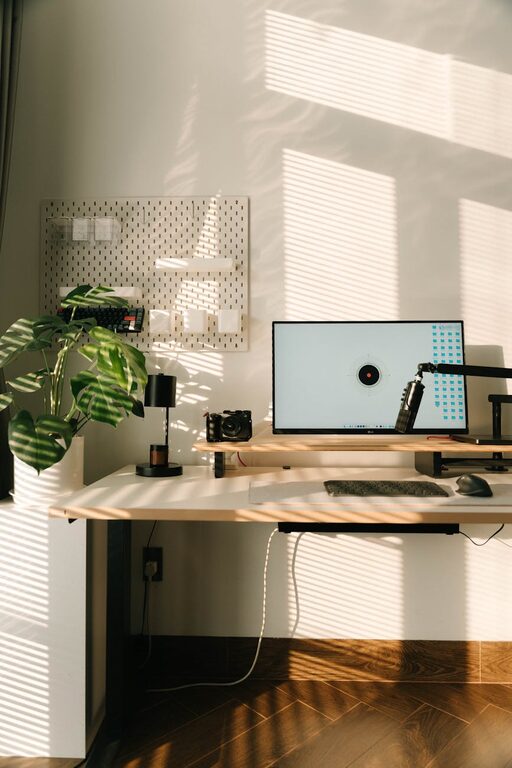
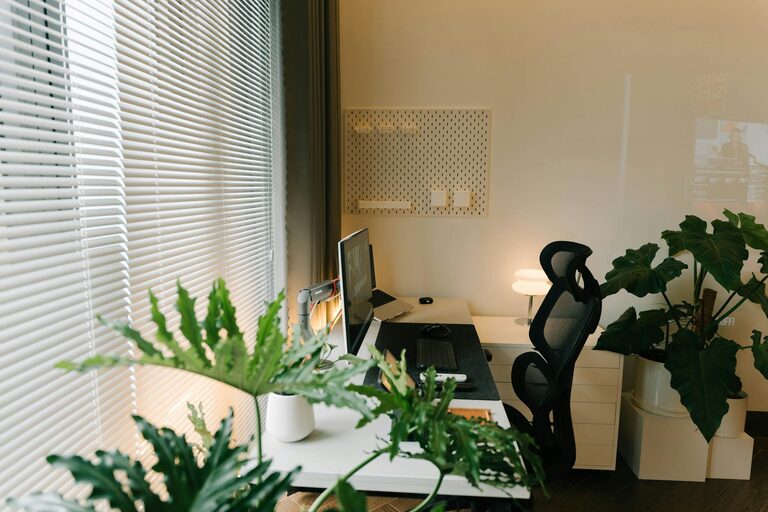
Natural daylight not only brightens your space but also improves mood and energy levels. Position your desk near a window to take advantage of sunlight. If natural light is limited, use full-spectrum or daylight bulbs for a similar effect.
Furniture and Ergonomics
Invest in a Good Chair
A supportive, comfortable chair is crucial. It helps maintain proper posture, reducing the risk of back and neck pain. Look for adjustable chairs that fit your body type and allow movement.
Choose the Right Desk
Your desk should offer sufficient surface area for your work essentials without causing clutter. Adjustable desks that allow standing or sitting can add variety and reduce physical strain throughout the day.
Organise with Purpose
Keep your workspace tidy with shelves, drawers, and organisers. A clutter-free desk minimises distractions and helps you focus. Use cable management solutions to keep cords neat and out of the way.
Lighting and Ambience
Use Soft, Warm Lighting
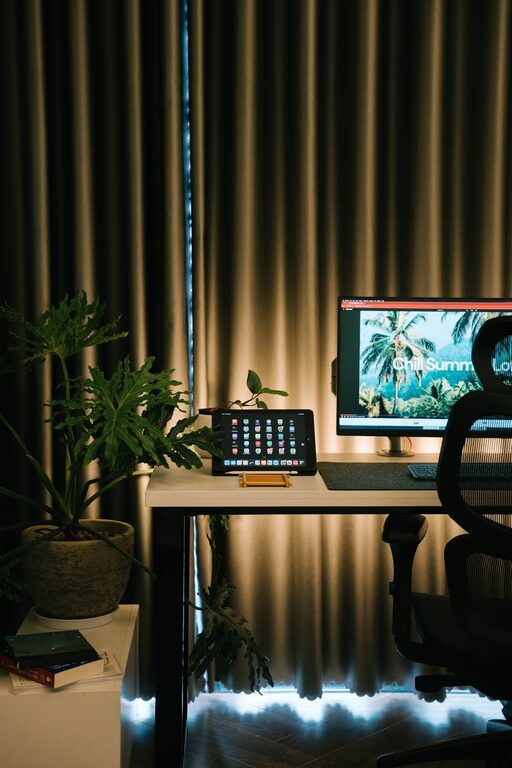
In addition to natural light, use lamps with warm tones to create a cosy environment. Avoid harsh overhead lighting or glaring screens, which can strain your eyes.
Add Personal Touches
Decorate your workspace with items that make you feel happy and calm, such as plants, artwork, or photos. Greenery, in particular, has been shown to reduce stress and boost creativity.
Minimise Distractions
Limit Technology Interruptions
Turn off non-essential notifications and consider using apps that block distracting websites during work hours. Keep your phone away or on silent to avoid temptations to check it constantly.
Set Boundaries
Communicate clearly with housemates or family members about your working hours and the importance of respecting your space. Use a “Do Not Disturb” sign if necessary.
Incorporate Relaxation Techniques
Take Regular Breaks
Schedule short breaks to stretch, breathe deeply, or take a short walk. This recharges your energy and prevents burnout.
Create a Calm Atmosphere
Playing soft instrumental music or nature sounds in the background can enhance focus while keeping the mood serene.
Organising Your Workflow
Plan Your Day
Use planners or digital tools to outline your tasks and priorities. Having a clear roadmap reduces stress and keeps you motivated.
Keep Essential Items Handy
Arrange your most frequently used files, stationery, and devices within easy reach. This minimises time wasted searching and keeps your workflow smooth.
Maintain Cleanliness
At the end of each day, spend a few minutes tidying your workspace. A clean area is inviting and promotes a fresh start each morning.
Conclusion
Designing a relaxing home workspace takes time but offers significant rewards in productivity and well-being. By choosing the right location, investing in comfortable furniture, managing light and distractions, and incorporating personal touches, you can create a space that supports your work and your health. Try implementing these tips gradually and notice how your daily work experience improves.
Remember, your workspace is a reflection of your needs and style. Make it work for you!